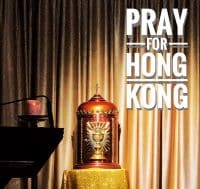
Today is the first Sunday of 2026. As we enter a new year, it is natural to feel hope for the future, especially after tragedy. The fire at Wang Fuk Court in Tai Po in late November last year left an indelible pain in the hearts of the public. The anguish of losing beloved family, friends, and one’s home is difficult for outsiders to fully comprehend. Yet, amidst the sorrow, we have also witnessed the brilliance of humanity: groups and citizens readily extended a helping hand to the victims, offering donations, material aid, accommodation, support for psychological and physical well-being, funeral arrangements, and solutions to immediate needs, allowing residents to settle and continue their lives. The government has also provided support at various levels and developed long-term plans to prevent similar tragedies in future.
Cardinal Stephen Chow, S.J., also expressed this perspective in his Christmas Message. Addressed to all Hong Kong citizens—not just the faithful—it was broad in both content and vision. Unfortunately, media reports on television and radio broadcast only brief excerpts, which were easily taken out of context and led to misunderstandings among those unaware of the full message. As people of faith, how many of us have truly read the message from start to finish? At its opening, Cardinal Chow reminded us that the Son of God walks with us, no matter how hard life becomes, enabling us to see that life remains full of hope.
However, some countries respond to violence with further violence, creating a vicious cycle. While local economic growth remains sluggish, the working class continues to struggle, and the gap between rich and poor remains significant. He encouraged us to accept human imperfection—our own and others’—to show greater understanding and forgiveness, and to nurture the innate goodness within ourselves and others.
The message also addressed the global surge in artificial intelligence, reminding us to view its advantages and disadvantages with proper perspective. In education, we should not focus only on utilitarian outcomes, as this neglects its true essence. The fundamental mission of education is to help children discover themselves, cultivate self-esteem and respect for others, and work together to create a better world. Young people need adults who will listen, understand, and trust them. They need opportunities to express themselves freely, rather than being confined by adult-imposed frameworks. Furthermore, facing Hong Kong’s multicultural society, we should set aside our differences and embrace people from diverse cultural backgrounds, adding greater momentum to social development.
This Sunday is also the Epiphany, celebrating the salvation God has bestowed upon us, as shown by the Magi from the East coming to adore the Infant Jesus. He reveals himself to the Gentiles as God and the King of all generations, manifesting God’s love. The Magi followed the star’s guidance and travelled a great distance to Jerusalem to seek the newborn King of the Jews, coming specifically to worship Him. The Magi symbolise humanity’s longing for Jesus, hoping to find spiritual peace and tranquillity. The Epiphany calls everyone to know Christ, become children of the Heavenly Father, and embrace the mission of outward evangelisation. SE