John Singarayar, UCAN
The Earth is speaking to us through rising temperatures, melting ice, and increasingly violent storms. Yet we continue to delay, locked in a dangerous cycle of inaction.
New research from Fudan University in China reveals something deeply troubling about our collective response to climate change: waiting for the crisis to worsen will not strengthen our resolve to act. Instead, it may destroy the very motivation we need to save ourselves.
Pope Francis warned us in Laudato Si’ that “the Earth, our home, is beginning to look more and more like an immense pile of filth.” He called for an ecological conversion, a fundamental change in how we relate to Creation and to each other.
But conversion requires more than prayer and good intentions. It demands immediate, concrete action before we cross a threshold from which there is no return.
The economy becomes so weakened by climate impacts that society lacks the resources and capacity to invest in the very solutions that could prevent further warming
The research presents a sobering mathematical reality. Scientists examined what happens when societies postpone transitioning from fossil fuels to renewable energy, using sophisticated modelling that accounts for economic constraints, technological limitations, and the mounting costs of climate damage.
What they discovered challenges a comfortable assumption that many governments have embraced: that as climate disasters intensify, the economic case for action will naturally strengthen, eventually forcing us to change course.
The opposite appears to be true. The study finds that the social cost of carbon, which measures the economic damage from each tonne of carbon dioxide released, does initially rise as temperatures climb. However, once climate damages exceed a critical threshold—somewhere around 10 per cent of global economic output—this cost begins to collapse.
The economy becomes so weakened by climate impacts that society lacks the resources and capacity to invest in the very solutions that could prevent further warming.
This creates a vicious cycle. Postponed action means renewable energy deployment remains sluggish. As damages mount, the economy contracts, making the transition to clean energy even more difficult and expensive. Eventually, the incentive to act at all disappears.
Scientists examined what happens when societies postpone transitioning from fossil fuels to renewable energy, using sophisticated modelling that accounts for economic constraints, technological limitations, and the mounting costs of climate damage
The research shows that if we wait until after 2050 to begin serious mitigation efforts, renewable energy might never reach the levels needed to stabilise the climate. The probability of limiting warming to two degrees Celsius drops below 10 per cent.
These are not merely technical projections. They represent real consequences for real people, especially the poor and vulnerable whom Pope Francis placed at the centre of our moral concern.
In Laudato Si’, he reminded us that “a true ecological approach always becomes a social approach; it must integrate questions of justice in debates on the environment so as to hear both the cry of the earth and the cry of the poor.”
When we postpone climate action, we are not simply making an economic calculation. We are choosing to impose suffering on those least able to bear it.
The mathematics reveals another disturbing possibility: that we may be approaching what the researchers call a socioeconomic tipping point.
The opportunity to adapt vanishes precisely when adaptation becomes most necessary. This same dynamic threatens entire nations and the global economy itself
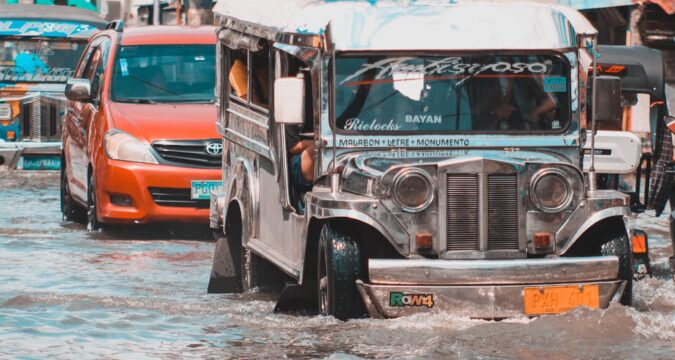
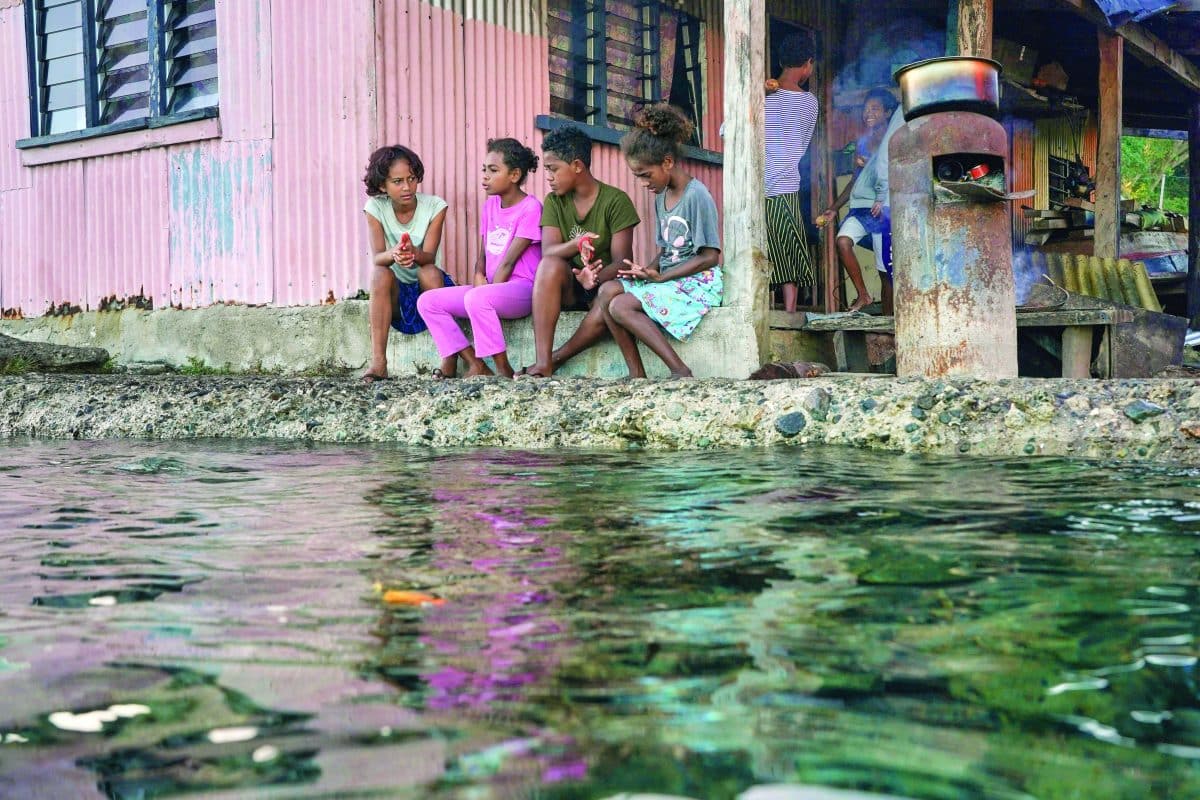
Consider a coastal city that delays building seawalls and investing in clean energy. As flooding becomes routine, businesses close, tax revenue declines, and the city can no longer afford the infrastructure it once could have built.
The opportunity to adapt vanishes precisely when adaptation becomes most necessary. This same dynamic threatens entire nations and the global economy itself.
This is not inevitable. The research also shows that early action works. If serious mitigation had begun by 2025, renewable energy could have supplied 90 per cent of our needs by the century’s end, holding climate damages to manageable levels.
The technology exists. The economic pathways are viable. What we lack is not capability but will.
Pope Francis called us to recognise that “the climate is a common good, belonging to all and meant for all.”
Our current trajectory violates this fundamental truth. By delaying action, wealthy nations are essentially stealing the future from today’s children and from communities that have contributed least to the crisis. This is not just poor policy. It is a profound moral failure.
The research also shows that early action works. If serious mitigation had begun by 2025, renewable energy could have supplied 90 per cent of our needs by the century’s end, holding climate damages to manageable levels.
The study suggests establishing early-warning systems within international climate assessments to track when we might be approaching the danger zone. These would monitor both climate damages and renewable energy deployment rates, providing clear signals when society risks crossing into irreversible decline. Such mechanisms could give policymakers the information they need to act before it becomes too late.
But monitoring alone will not save us. We need courage to act now, when the costs are still manageable and the benefits are greatest. We need political leaders willing to resist the siren call of short-term thinking and fossil fuel interests. We need citizens demanding transformation rather than accepting incremental adjustments.
The research makes clear what many have long suspected: hope does not lie in waiting for future circumstances to force our hand. It lies in choosing, today, to align our economic systems with the integrity of creation.
Every year of delay makes the transition harder, more expensive, and ultimately less likely to succeed. The Earth will not wait for us to become comfortable with change. The question is whether we will act while action can still make a difference, or stand paralysed until paralysis itself becomes a catastrophe.