![A message from the Catholic Church Lenten Campaign – 4th Week of Lent–’There is still the youngest [1 Samuel 16:11]](https://www.examiner.org.hk/wp-content/uploads/2026/02/Lenten-Campaign-header-675x360.jpg "A message from the Catholic Church Lenten Campaign – 4th Week of Lent–’There is still the youngest [1 Samuel 16:11]")
We are often drawn to admire what is grand, beautiful, and seemingly perfect. Yet, how often do we pause to notice the smallest or weakest in society, those whom the world often overlooks, but are cherished deeply by God?
Today, and especially within the Church, young people embody hope for the future, and their involvement is vital. Their contributions deserve recognition, and their voices should be encouraged in every decision. Yet vulnerability is not limited to the young. Many elderly among us may feel isolated by illness or loneliness, but their wisdom and experience are treasures that connect generations. By honouring our elders and listening to their stories, the younger generation gains a deeper sense of identity and faith.
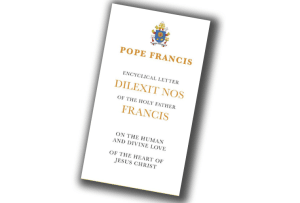
In his encyclical, Dilexi Te, [I Have Loved You], Pope Leo XIV emphasised that the poor and marginalised are not objects of pity, but beloved members of our family in Christ.
People often judge by appearances, but the Lord looks into the heart [1 Samuel 16:7]. Those overlooked by society may hold infinite possibilities in God’s eyes. Christ calls us to recognise and value those who are forgotten or undervalued. When we actively reach out to support these groups, we fulfill Christ’s commandment to love our neighbour and invite his blessings into our lives through acts of compassion and acceptance.
Each day, we are called to care for the “smallest in society”, following Jesus’ example of compassion. We might join parish service groups, visit those in need, or participate in community outreach.
Especially during Lent, a sacred time of repentance and renewal, we are invited to deepen our faith, extend mercy, and become messengers of hope and light to those who suffer. In doing so, we answer Christ’s call to serve: “Truly I tell you, whatever you did for one of the least of these brothers and sisters of mine, you did for me” [Matthew 25:40].
Lenten Campaign Organising Committee, 2026