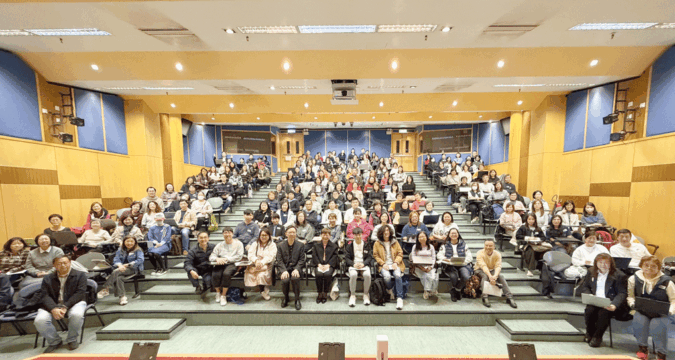
HONG KONG (SE): The Diocesan Catechetical Centre held a workshop on January 25 dedicated to creating images using artificial intelligence (AI). The event drew 160 attendees, including catechists, catechist assistants, and laypeople keen to explore AI-generated imagery.
This initiative marked a notable advance in merging faith and technology, equipping catechists and parishioners with essential knowledge and tools to enrich their teaching without compromising their core beliefs.
The workshop opened with a discussion led by Victor Lam Wai-kiu of the centre, who explored the latest trends in AI-generated images and videos.
Justin Chan Ho-ming, from the Sunday School Committee of the Diocesan Catechetical Commission, followed with insights on integrating AI into catechetical instruction.
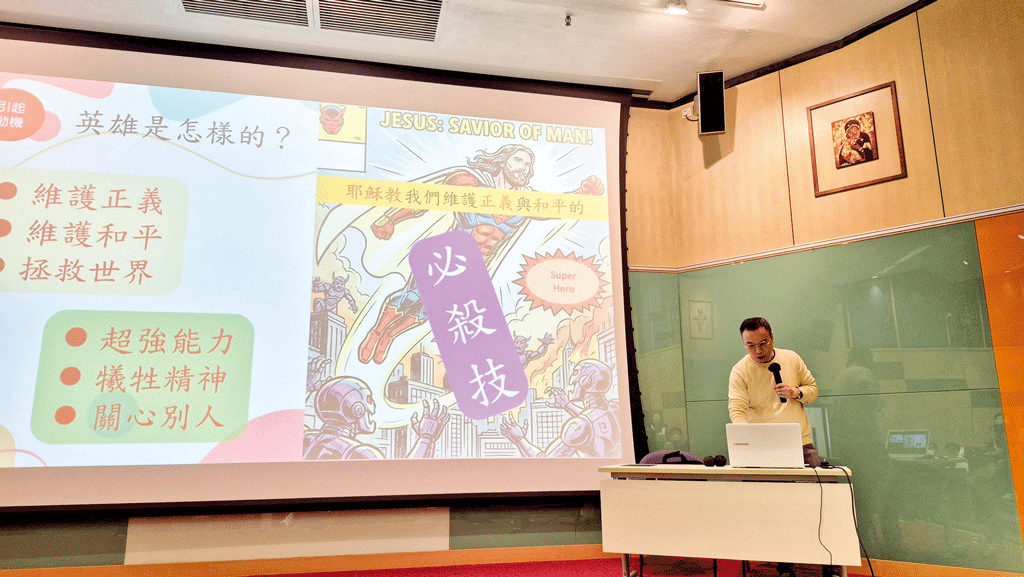
He highlighted the value of using creative images to inspire reflection in Sunday schools, citing an example of an AI-generated cartoon portraying Jesus as a superhero saving lives.
He suggested that such images can effectively spark conversations about love, service, and the pursuit of justice.
A highlight of the workshop was a contest in which 40 teams collaborated to create AI-generated images inspired by eight biblical narratives. The results showcased vibrant creativity and strong engagement from participants. Live polling for the best images added excitement to the proceedings.
Connie Chung To-hing, director of the Diocesan Catechetical Centre, emphasised that the initiative aimed to demonstrate how technological advancements can be embraced alongside God-given human intelligence to further evangelisation efforts.
She explained that AI-generated images can be quite beneficial for catechists, as visual aids play a crucial role in conveying biblical messages—much like the beautiful murals that have historically adorned church walls. Creative illustrations also help connect with young people and children in dynamic ways.
She noted that, in the past, catechists often relied on ready-made videos or images to support their teaching, which sometimes failed to fully convey the intended message. “However, AI allows for a more active approach, enabling teachers to use their creativity and insights to generate materials that match their vision,” she said.
A highlight of the workshop was a contest in which 40 teams collaborated to create AI-generated images inspired by eight biblical narratives. The results showcased vibrant creativity and strong engagement from participants
However, she cautioned that when using AI in catechetical instruction, it is vital to ensure that content remains faithful to the Bible and Catholic doctrine. “Catechists should rely on their doctrinal knowledge to formulate precise prompts for the AI and carefully evaluate the generated results,” she stressed, adding that the impact of images created by catechists with a strong doctrinal background are likely to be more accurate and detailed than those made by individuals with less knowledge.
She acknowledged that AI can also pose challenges, as generated content may include terminology from other faiths or depict images inconsistent with doctrine. For instance, an AI-generated image showing Jesus and the Virgin Mary as flamboyant magicians during the wedding at Cana would contradict their humble roles in the biblical account.
In response to these challenges, she said the centre maintains a pragmatic and firm stance: if AI-generated images do not effectively support teaching objectives or accurately express the faith, they should be discarded. Catechists must never compromise the integrity of their message for the sake of using technology.
Two years ago, the centre launched a digital evangelisation course to enhance participants’ understanding of digital trends and the ethical implications of technological advances.
Looking ahead, Chung said the centre plans to run ongoing practice sessions that could be divided into beginner and intermediate levels to address varied participant needs. The centre also intends to develop its own AI-generated images and videos to serve as teaching resources for catechists.
Chung emphasised that although AI tools can be incredibly powerful, they can never limit human wisdom or replace the genuine interactions that happen between people. “Activities such as singing and playing games together between teachers and students are vital parts of catechetical instructions, no matter how many AI photos or videos are shown in a class,” she said.