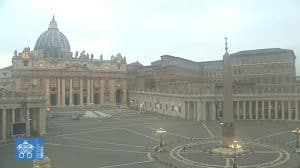
On February 2, the Church celebrates the Feast of the Presentation of the Lord, recalling the moment when Mary and Joseph brought the infant Jesus to the Temple and offered him wholly to God. This ancient feast, this year, also marks the 30th World Day of Prayer for Consecrated Life. As Pope Leo XIV presides at the Eucharist in Saint Peter’s Basilica, the universal Church pauses to give thanks for consecrated men and women whose lives, like Christ’s, are offered and gifted for the sake of others.
Established by Pope St. John Paul II, this day invites us to a renewal. Consecrated life is not a relic of the past; it is a living sign that God continues to claim human lives for the sake of love. The Dicastery for Institutes of Consecrated Life reminds us that this celebration calls the Church to rediscover consecrated life as a gift—not only to ecclesial structures, but to the world itself, and to renew its missionary dynamism alongside the Holy Father.
At its heart, consecration is often misunderstood. We have reduced it to a “Church word,” reserved for sacred objects such as chalices and other liturgical articles, places like churches and sanctuaries, and people who are vowed religious. However, its original meaning is more fundamental: to be consecrated means being “set aside” by circumstances, need, or the presence of suffering that calls for a response.
We all recognise such individuals—those whose freedom was limited by poverty, illness, family duties, or unexpected tragedy. They didn’t select heroism; it was thrust upon them. Like the first responder at an accident, they couldn’t simply ignore the situation. Their very presence became a duty. In that instant, they made silent vows—promises of loyalty, sacrifice, resilience, and love.
Scripture gives us a similar image in Moses, reluctant and protesting, yet chosen because he had seen the suffering of his people. Once he had seen, he was no longer free to look away. This is the deep logic of vocation. Consecration does not eliminate freedom; it transforms it. The question is no longer whether to respond, but how faithfully one will do so.
Those who profess public vows of poverty, chastity, and obedience embody this truth in a visible, communal way, and the Church rightly honours and supports them. But this World Day also invites us to broaden our gaze. Married couples, caregivers, migrants, single parents, and countless unnamed disciples live consecrated lives without titles or recognition. They too are bound by vows made for them—vows inscribed by love and responsibility.
On this 30th World Day of Prayer for Consecrated Life, the Church is invited not only to give thanks, but to awaken. We pray for consecrated men and women, support them generously, and encourage new vocations. More than that, recognising one’s own consecration—to the wounded neighbour, the fragile community, the unfinished work of justice and mercy. We are all, in different ways, at the scene of an accident. May we not drive away. jose, CMF