FABC statement on the escalating conflict in the Middle East
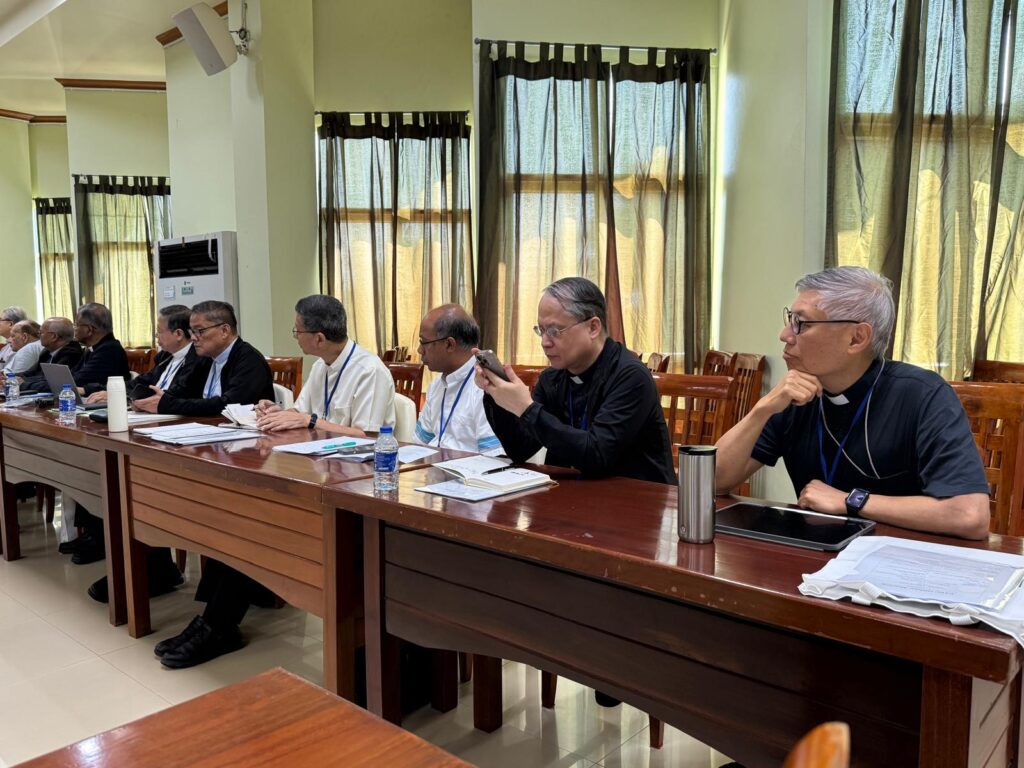
(SE): Following the airstrikes by the militaries of the US and Israel on Iran on February 28, and subsequent retaliatory strikes by Iran on neighbouring Arab states, the Central Committee of the Federation of Asian Bishops’ Conferences [FABC] released a statement on March 3 voicing “deep anguish and grave concern over the renewed escalation of violence in the Middle East.”
It called for an immediate ceasefire and renewed commitment to peace, justice, and dialogue.
The statement was signed by the federation president, Filipe Neri Cardinal Ferrao; vice president, Pablo Cardinal David; and secretary general, Isao Cardinal Kikuchi.
The statement warned “the recent cycles of bombardment and retaliation, involving major global and regional powers, risk plunging the region and the world into a conflict of incalculable human and economic consequences.”
It continued: “As a continent, we are particularly concerned about this conflict.”
Citing the urgent appeal of Pope Leo XIV on March 1, the FABC statement reiterated: “Peace cannot be built on threats or weapons that sow destruction, pain, and death. Stability cannot arise from fear, nor can justice be secured through violence. Only sincere, responsible, and sustained dialogue can open pathways toward a just and lasting peace.”
Drawing on Asia’s context of “rich religious diversity, deep cultural traditions, and the daily struggles of the poor,” the bishops affirmed: “Peace is not merely the absence of war. It is the fruit of justice, the work of dialogue, and the patient building of trust among peoples. War, by contrast, disproportionately wounds the most vulnerable: the poor, the displaced, children, and future generations.”
The statement made a series of appeals, stating: “We call for an immediate cessation of hostilities and for all parties to exercise moral responsibility, resisting the spiral of escalation that leads only to deeper suffering and irreversible loss.”
It also called for “the restoration of diplomacy as the primary instrument for resolving conflicts. Dialogue, however difficult, remains the only path that respects the dignity of peoples and the sovereignty of nations.”
The bishops encouraged “interreligious solidarity, especially among leaders of the great religious traditions present in the region, to witness together to the sacredness of life,” and renewed their “commitment to stand with the poor and the victims of war, whose cries often go unheard amid geopolitical calculations. Their suffering must remain at the centre of all efforts toward peace.”
The statement invited “all our local Churches across Asia in this season of Lent to intensify prayer, fasting, and concrete acts of solidarity for peace. In our journey as pilgrims of hope, we refuse to surrender to despair. We believe that even in the darkest hours, the Spirit continues to open paths toward reconciliation.”
The FABC statement concluded, “May Mary, Queen of Peace, accompany the peoples of the Middle East and intercede for our wounded world.”
Related posts:
Atrocities in Western Tigray documented
Pope Francis calls for a Lenten journey of faith, community, and hope

Lay group leader rapped for unofficial endorsement of presidential candidate