(LiCAS News): Catholic bishops from Africa, Asia and Latin America have called on governments to adopt a global treaty to halt fossil fuel expansion and to guide a just transition to renewable energy.
The appeal is contained in the Manifesto of the Churches of the global south for our common home, issued by continental episcopal bodies representing the Catholic Church across the Global South, with accompanying support from Church leaders in Europe and Oceania.
In the document, the bishops state that communities across Africa, Latin America and Asia are already experiencing the consequences of climate change and unsustainable economic systems.
The manifesto states that climate change is “not only an environmental crisis”, but also “a consequence of unsustainable patterns of production and consumption and an ‘economy that kills’”, creating a wider crisis that “threatens human dignity and peace.”
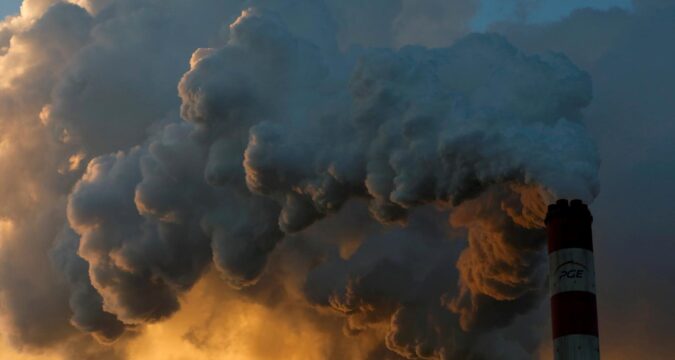
The bishops point to scientific evidence linking global warming to the continued use of fossil fuels. The document says the burning of coal, oil and gas is the “primary cause of this imminent collapse.”
Grounding their appeal in Catholic Social Teaching, the bishops urge governments to adopt a binding international framework to phase out fossil fuels whilst protecting vulnerable communities.
“Guided by the preferential option for the poor and the care of creation described in the Catholic Social Teaching,” the bishops declare their “unwavering support for a just transition” and call on governments “to adopt a treaty to stop proliferation and abandon fossil fuels as a moral and political imperative.”
Grounding their appeal in Catholic Social Teaching, the bishops urge governments to adopt a binding international framework to phase out fossil fuels whilst protecting vulnerable communities
The manifesto proposes a Fossil Fuel Treaty that would complement the Paris Agreement by addressing fossil fuel production directly. It calls for ending new exploration and production of coal, oil and gas, equitably phasing out existing fossil fuel operations, and ensuring a global “just transition” that protects workers and communities.
Church leaders also warn that continued fossil fuel expansion risks worsening geopolitical tensions. Policies promoting aggressive oil and gas expansion, the document says, have contributed to conflict and what it describes as “forms of petro-imperialism.”
The Catholic Church in the Philippines has raised similar concerns about the link between fossil fuels and conflict. In a March 4 pastoral statement, Caritas Philippines warned that the escalating crisis in the Middle East exposes deeper structural problems tied to the global energy system.
The Church’s social action arm said the confrontation reveals that “the fossil fuel economy continues to shape geopolitical conflict.” Strategic energy corridors such as the Strait of Hormuz, it added, have become flashpoints where military power, economic interests, and dependence on oil intersect.
Caritas Philippines warned that when “oil becomes entangled with war, the consequences ripple across the world—especially for vulnerable economies like the Philippines.” The group said the country remains “dangerously dependent on imported coal, oil and gas,” a reliance that “ties our national stability to conflicts beyond our control and exposes our people to the shocks of volatile global energy markets.”
Looking ahead to upcoming international climate negotiations, the bishops urge governments to integrate fossil fuel phase-out plans into national climate commitments and support global cooperation toward an orderly energy transition.
The manifesto closes with a call for global solidarity and collective action. The bishops state they are ready to listen to “the cry of the earth and the cry of the poor” and invite “all people of goodwill to join a historic coalition between North and South to protect our common home.”